



Optical Cancer Imaging Lab

Screening, Diagnosis, and Therapy with Light

Category: Publications

  • New publication on near-infrared OCT phantoms of the small airways

    Eric Brace, a PhD student in our group has a new publication in SPIE’s Journal of Biomedical Optics.

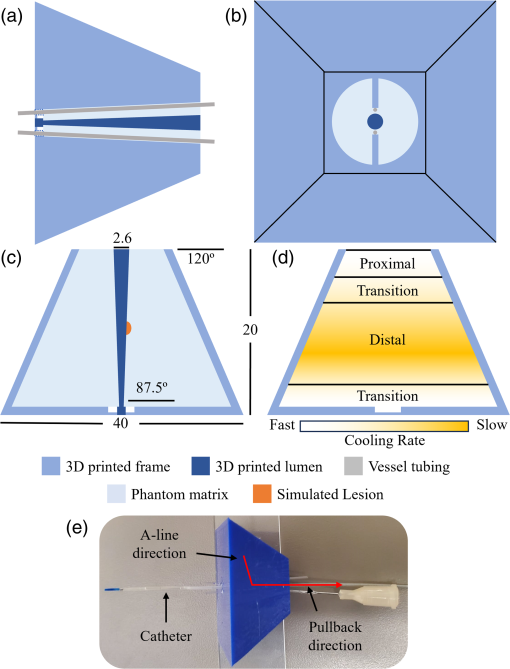
    Developing new imaging devices is challenging – you might not always be able to get sample tissue to test their performance. Optical tissue ‘phantoms’ are artificial duplicates which mimic the way light interacts with tissue, acting as a test-bench for early device prototyping. 

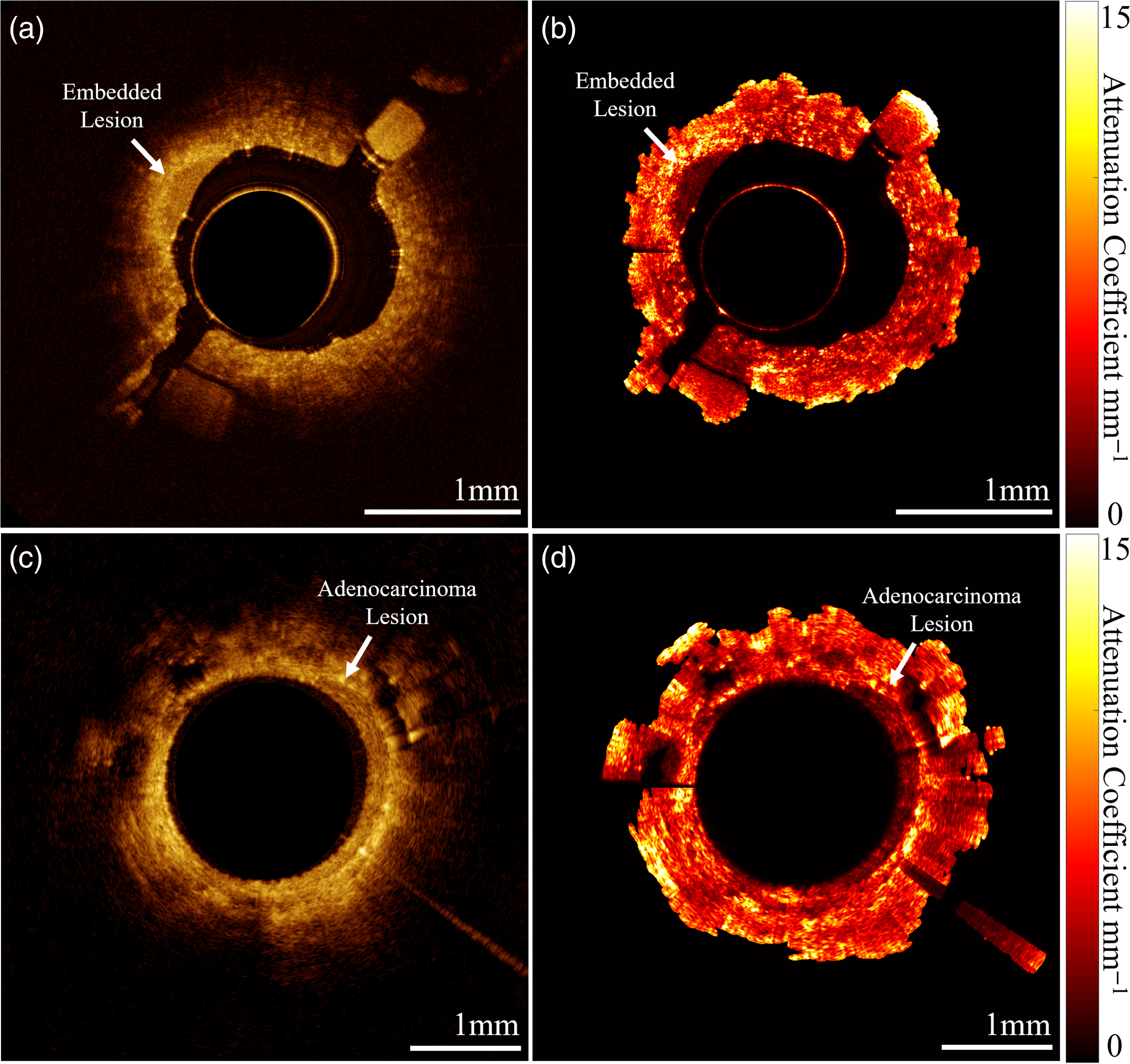
    Eric developed methods to produce easy to fabricate, repeatable, 3D phantoms which mimic the small airways of the lung and surrounding parenchyma. He tailored the optical properties of these phantoms to work at the near-infrared wavelengths  of our OCT systems (1310 ± 50nm). This is an important consideration as many phantoms in literature are produced for applications using visible light. 

    The phantoms are produced filling a 3D printed mold with an agar-intralipid solution which solidifies into a gel upon cooling. Malignancies can be simulated by attaching different concentrations of the agar-intralipid solution onto the 3D printed lumen to appear as embedded lesions. As some intralipid comes out of suspension, this produces textures similar to the alveoli visualized in the small airways of the lungs. 

  • New publication on machine learning tools for lung cancer management

    New publication on machine learning tools for lung cancer management

    Ian Janzen, a PhD student in our group has a new publication in MDPI Cancers.

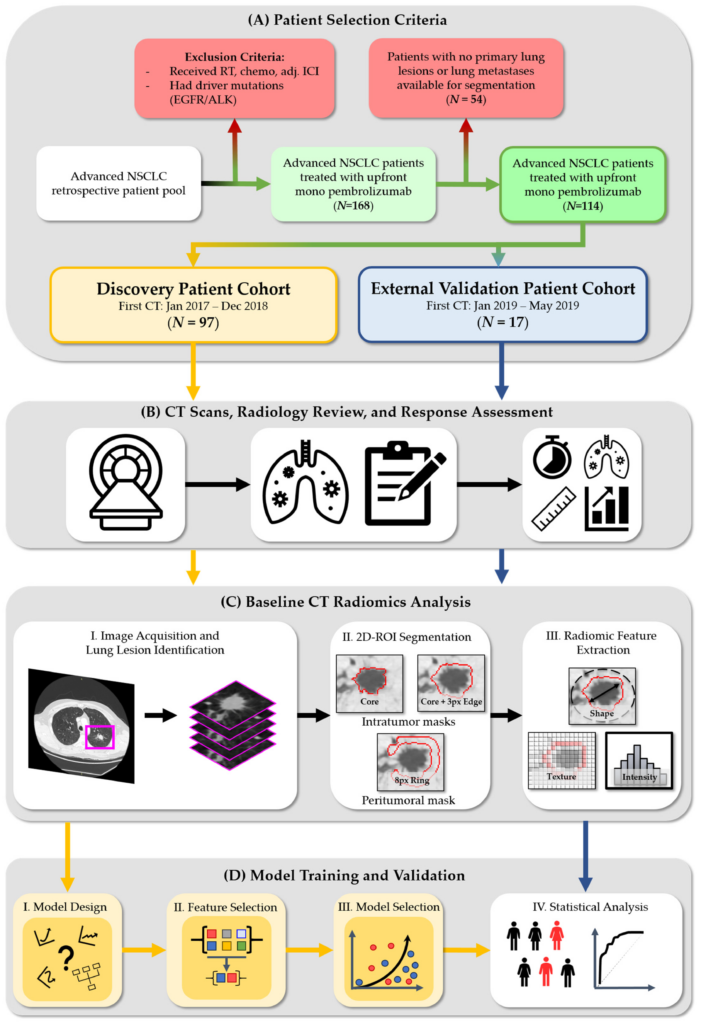
    Lung cancer is the leading cause of cancer deaths in Canada. Most lung cancers are diagnosed at advanced stages, where treatment pathways are determined by target mutations. Current standard of care for patients with cancers with a high PD-L1 score is an immunotherapy regimen – however, nearly half of patients do not respond to this approach.

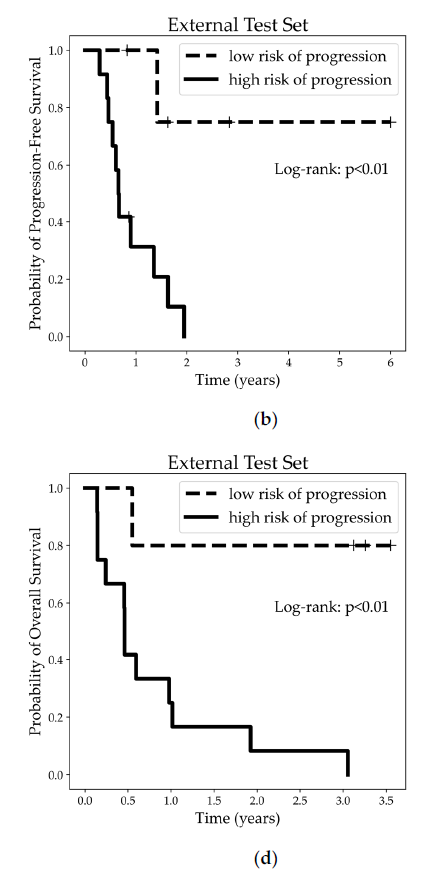
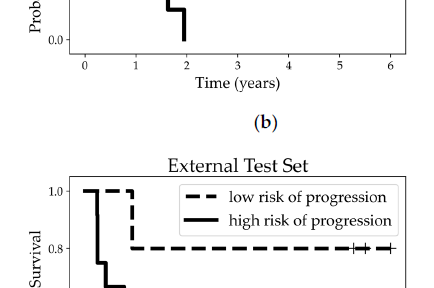
    Ian’s work develops a predictive risk model using a combination of imaging features (‘radiomics’) derived from CT scans before treatment and clinical descriptors to determine which patient cohorts will not benefit from standard immunotherapy treatments.

  • New publication on OCT-AFI biomarkers for tubo-ovarian cancer detection

    New publication on OCT-AFI biomarkers for tubo-ovarian cancer detection

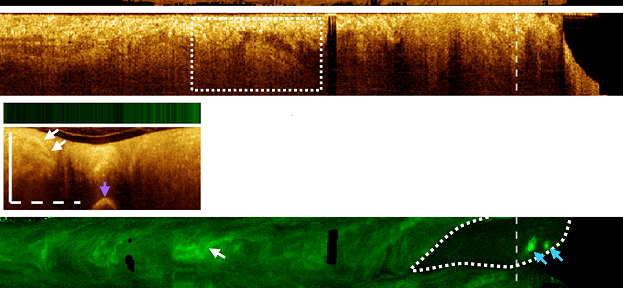
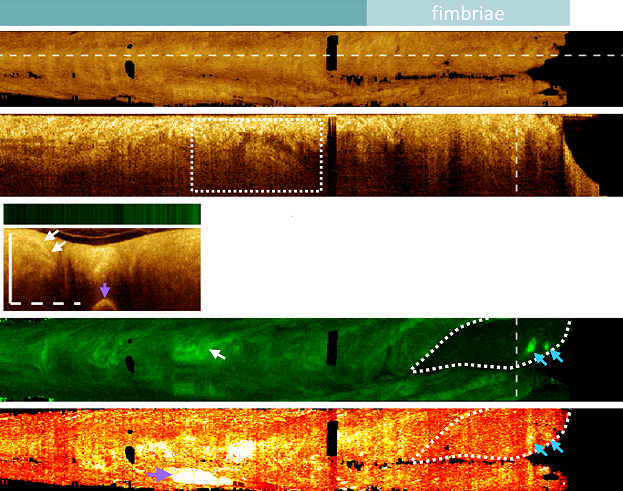
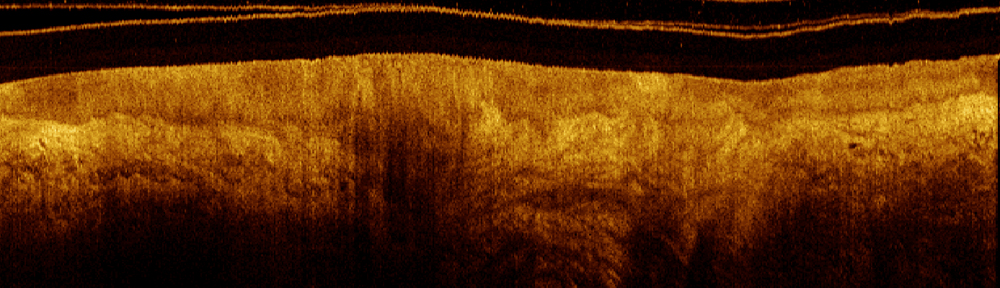
    Sample imaging of a high-grade serous ovarian carcinoma.

    Jeanie, a PhD student in our lab has a new publication in MDPI Cancers.

    Tubo-ovarian cancers are associated with high mortality. Early diagnosis is associated with better patient outcomes, but there are currently no effective screening measures. The most common and aggressive ovarian cancers originate in the ends of the fallopian tubes.

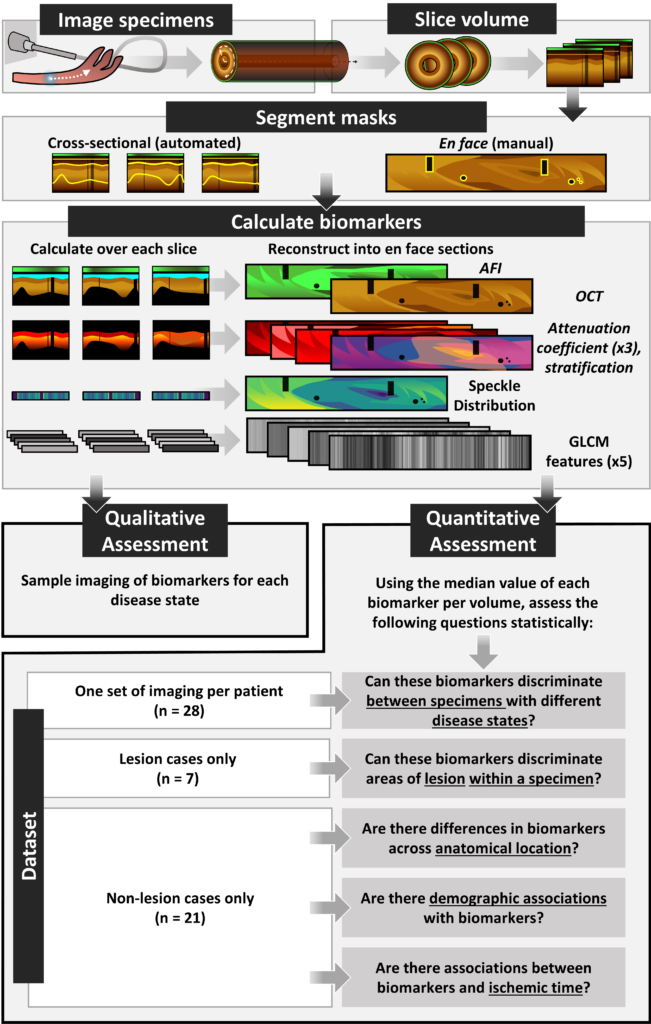
    This paper explores whether a previously developed optical imaging catheter can detect early or occult lesions in the fallopian tubes. This device collects three-dimensional structural images of tissue through optical coherence tomography (OCT) simultaneously with functional imaging through autofluorescence imaging (AFI).

    In this study, we imaged ex vivo fallopian tubes from and explored eleven imaging biomarkers for their ability to distinguish early or otherwise undetectable disease.

    We found that cancers can be visually distinguished through this approach, and that there are measurable changes within the area of lesion and throughout the specimen.

    This approach shows promise and merits further investigation of its diagnostic potential.