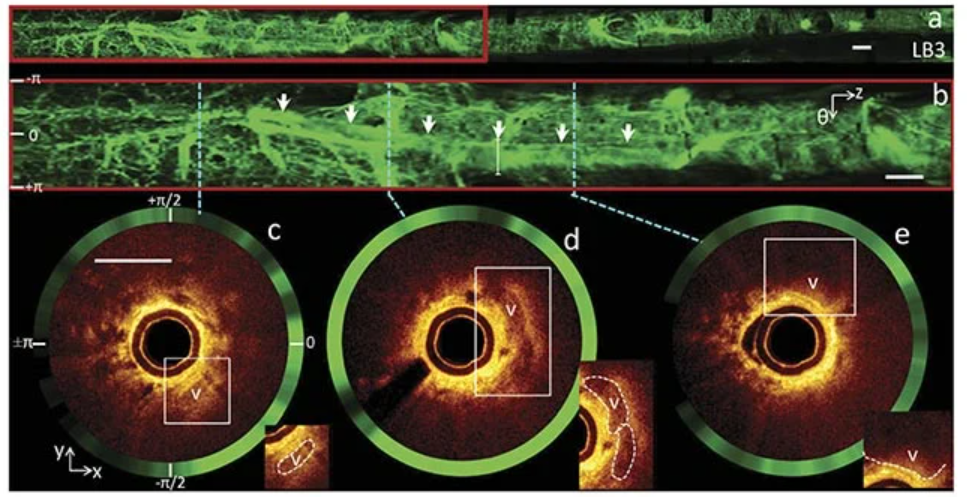
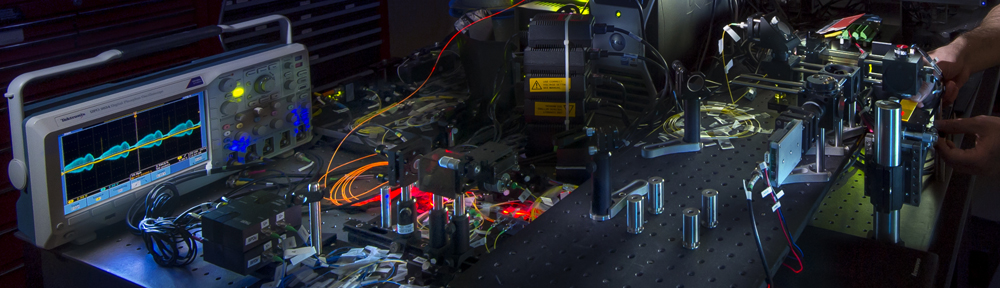

Castor Optics has published a new article on multimodal optical coherence tomography using double-clad fiber in BioPhotonics, citing one of our previous publications. Multimodal OCT often uses double-clad fiber couplers from Castor Optics.

Screening, Diagnosis, and Therapy with Light
Castor Optics has published a new article on multimodal optical coherence tomography using double-clad fiber in BioPhotonics, citing one of our previous publications. Multimodal OCT often uses double-clad fiber couplers from Castor Optics.


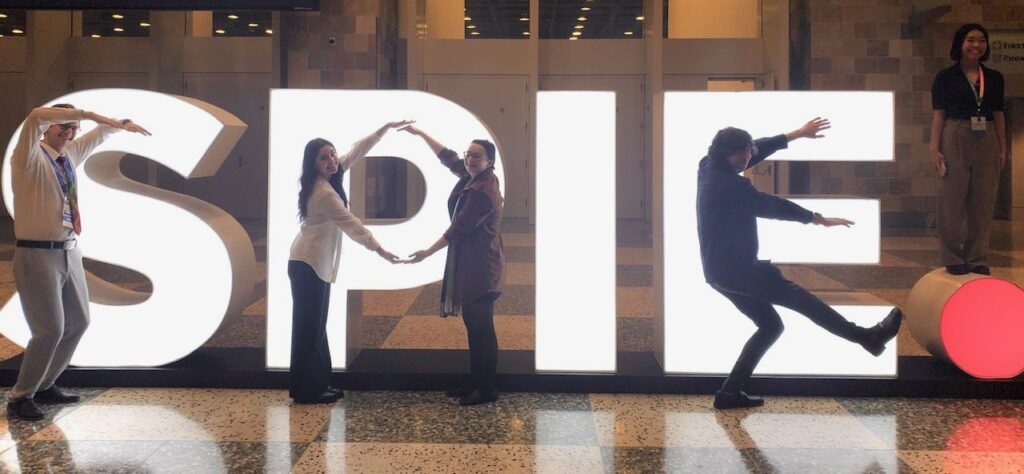
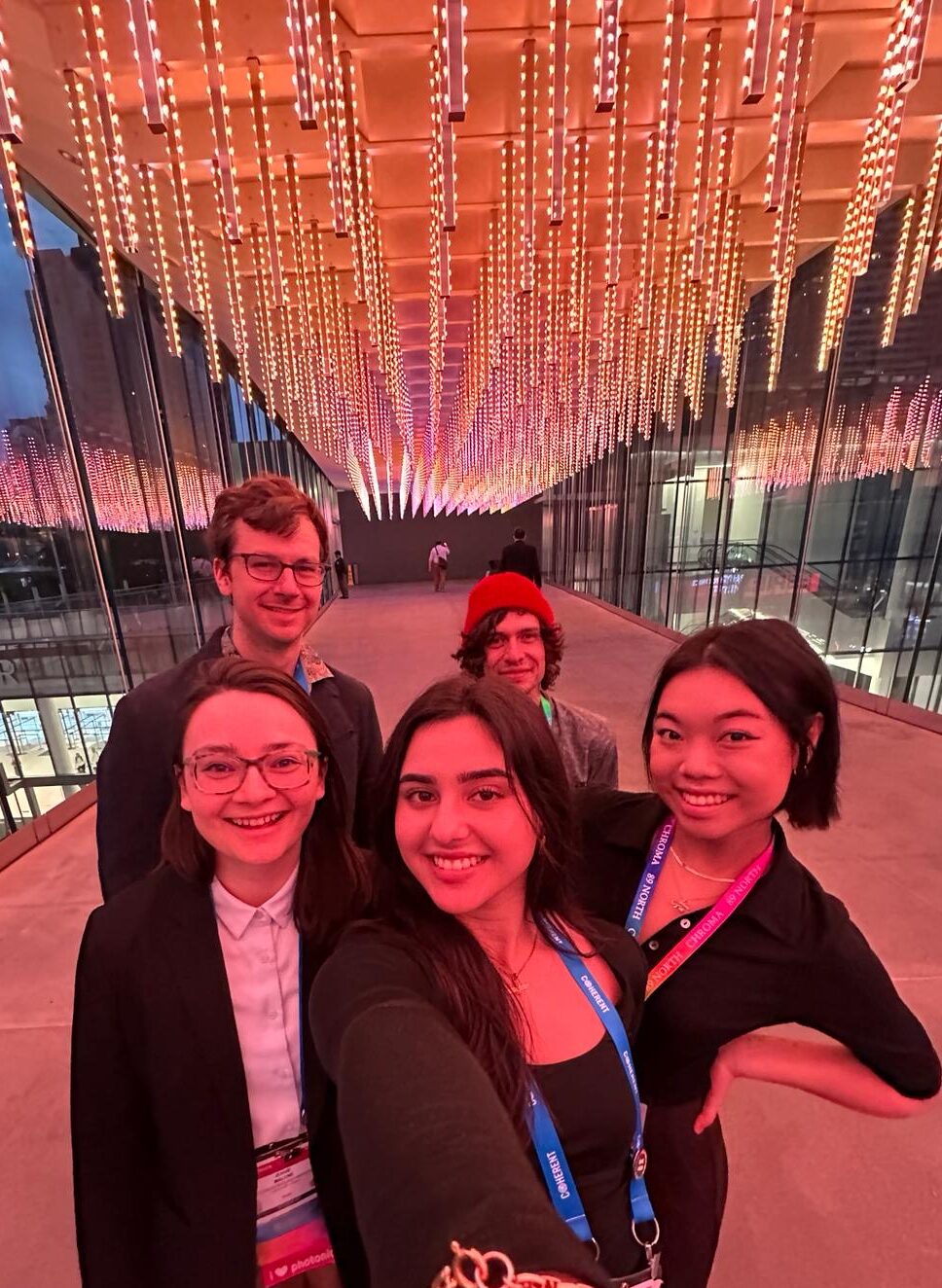
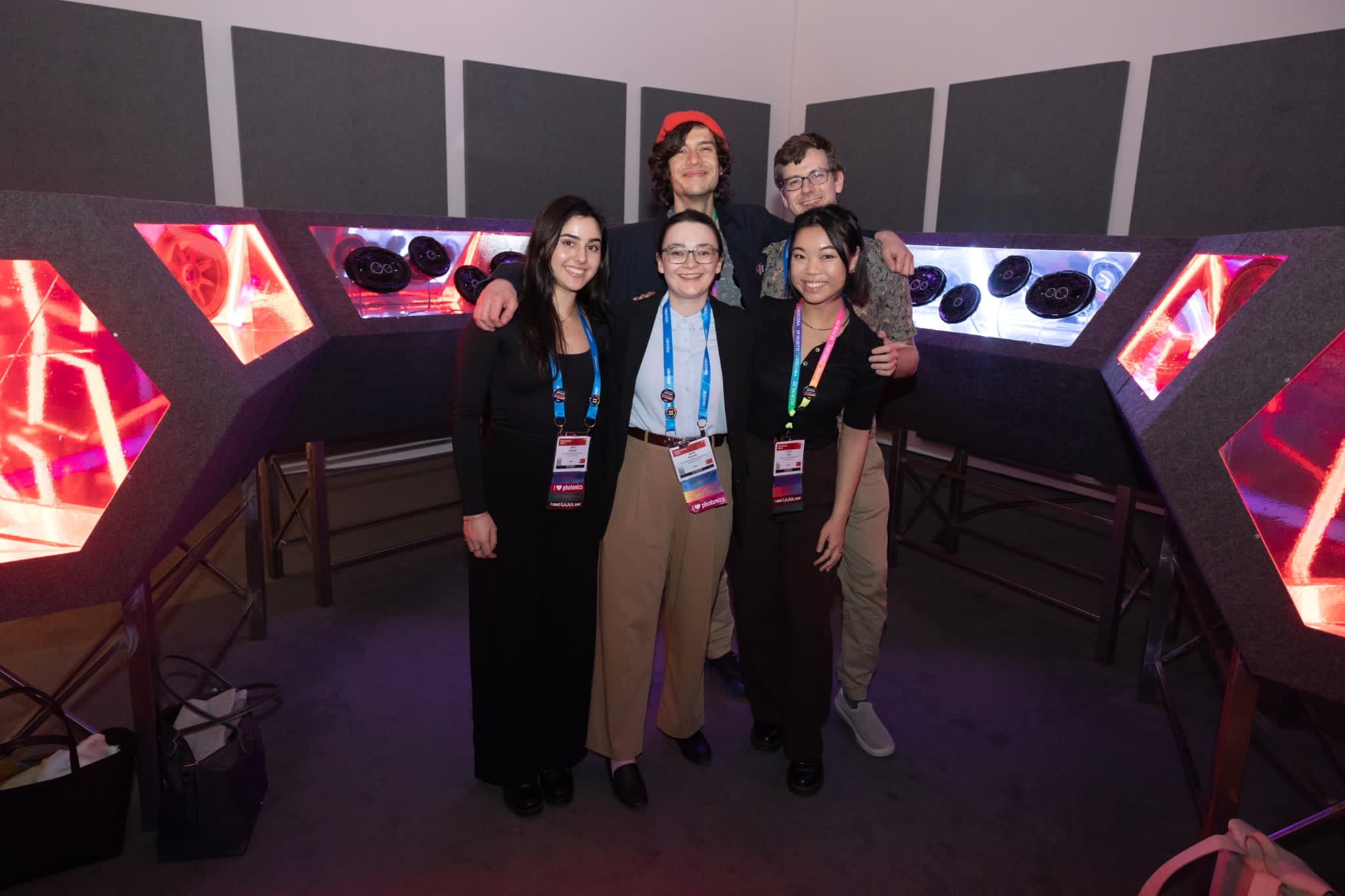
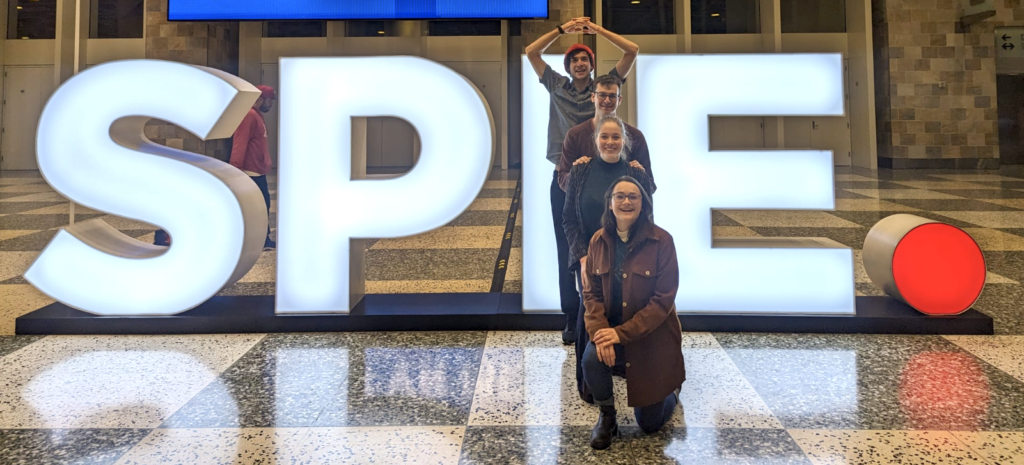
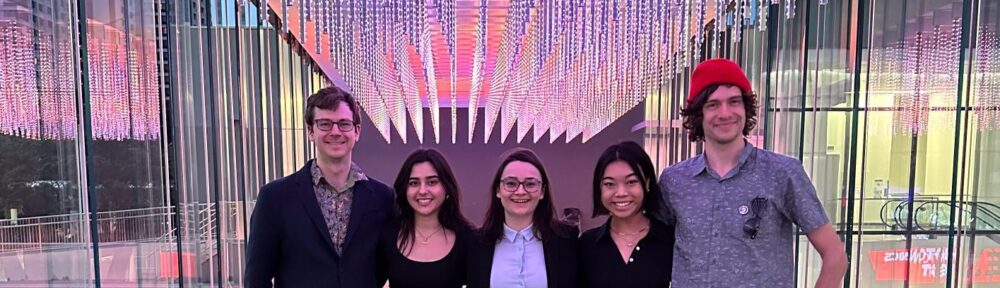
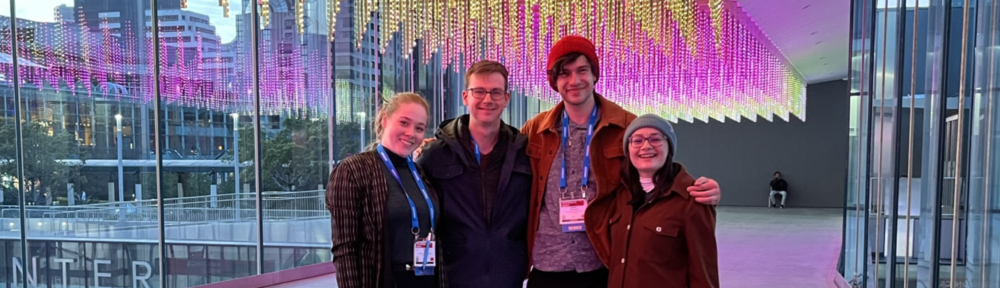
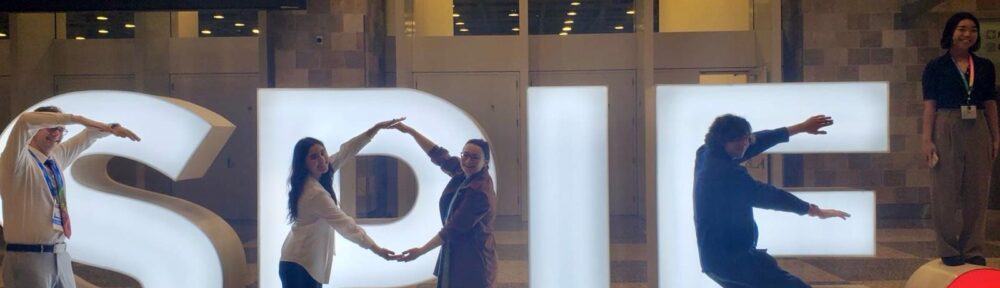
OCIL trainees presented work at SPIE Photonics West 2024 in San Francisco, California. You can read more about their presentations here:


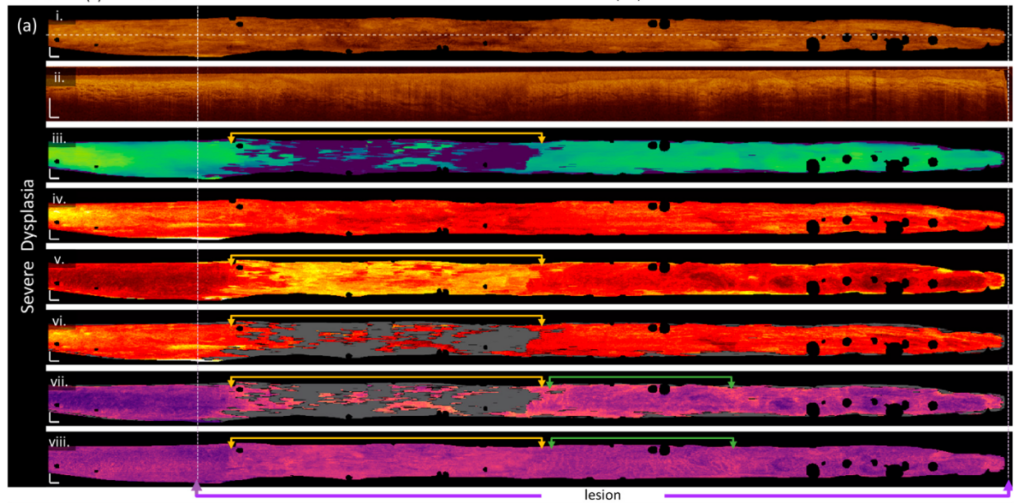
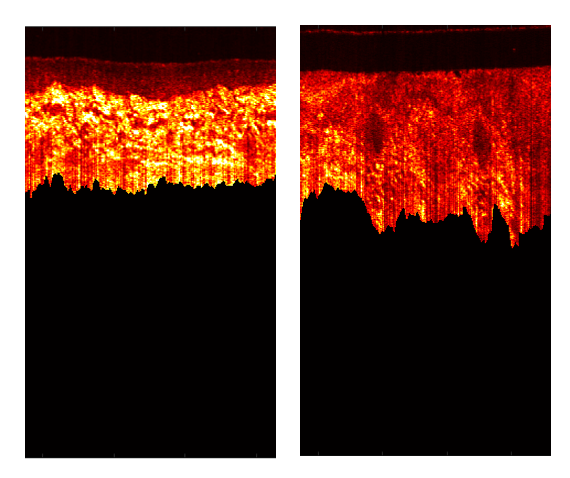
Attenuation coefficient of normal (left) and pathologic (right) oral tissue.

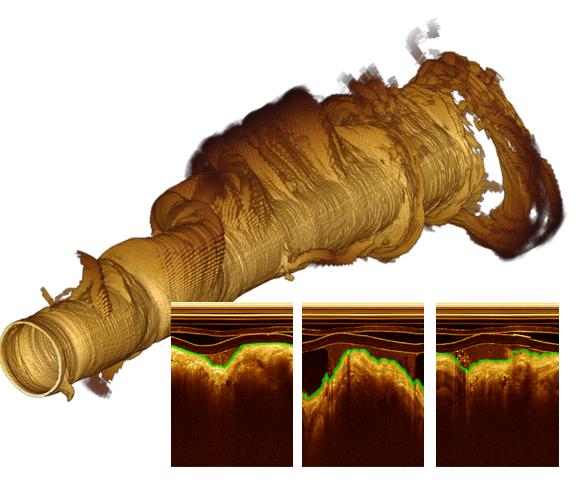
A segmented airway and example cross-sections (segmentations in green).
Congratulations to Mehar and Allan who successfully defended their undergraduate honours theses this fall!
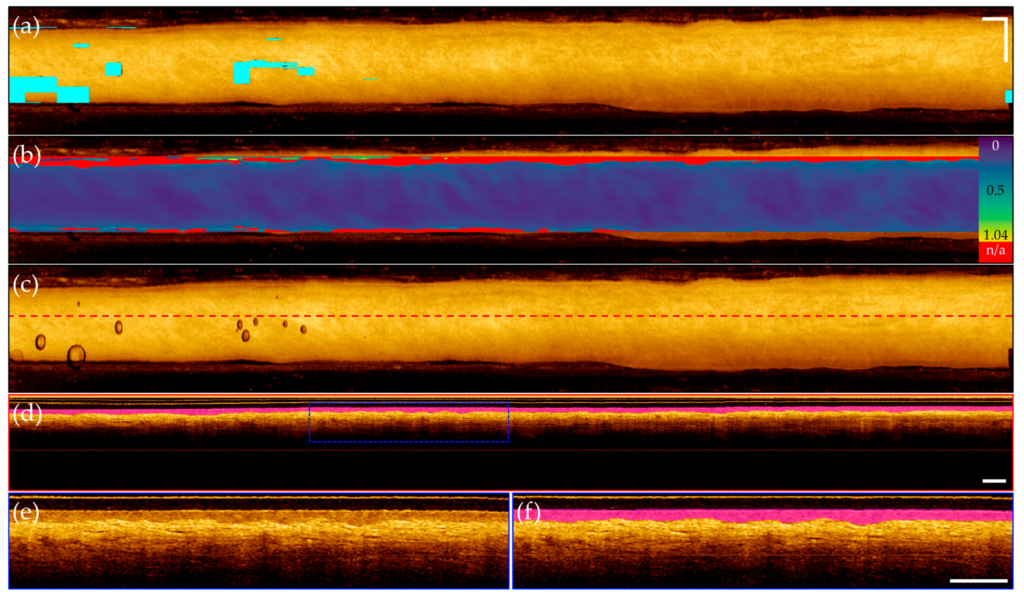
Mehar’s work ‘Methods for the Estimation of Depth-resolved Attenuation in OCT‘ compared different approaches for calculating the attenuation coefficient from OCT data. This allows us to characterize optical properties of tissue as they change with respect to depth.
Allan developed an automated tool to segment the tissue surface in OCT of the small airways of the lung. This tool allow us to quantify image features in the small airways without requiring manual segmentation. You can read his thesis, ‘Lumen Segmentation in Endobronchial Optical Coherence Tomography with Deep Learning‘ online.
Congratulations to Adrian and Jeanie on their new publication in Optics Express.


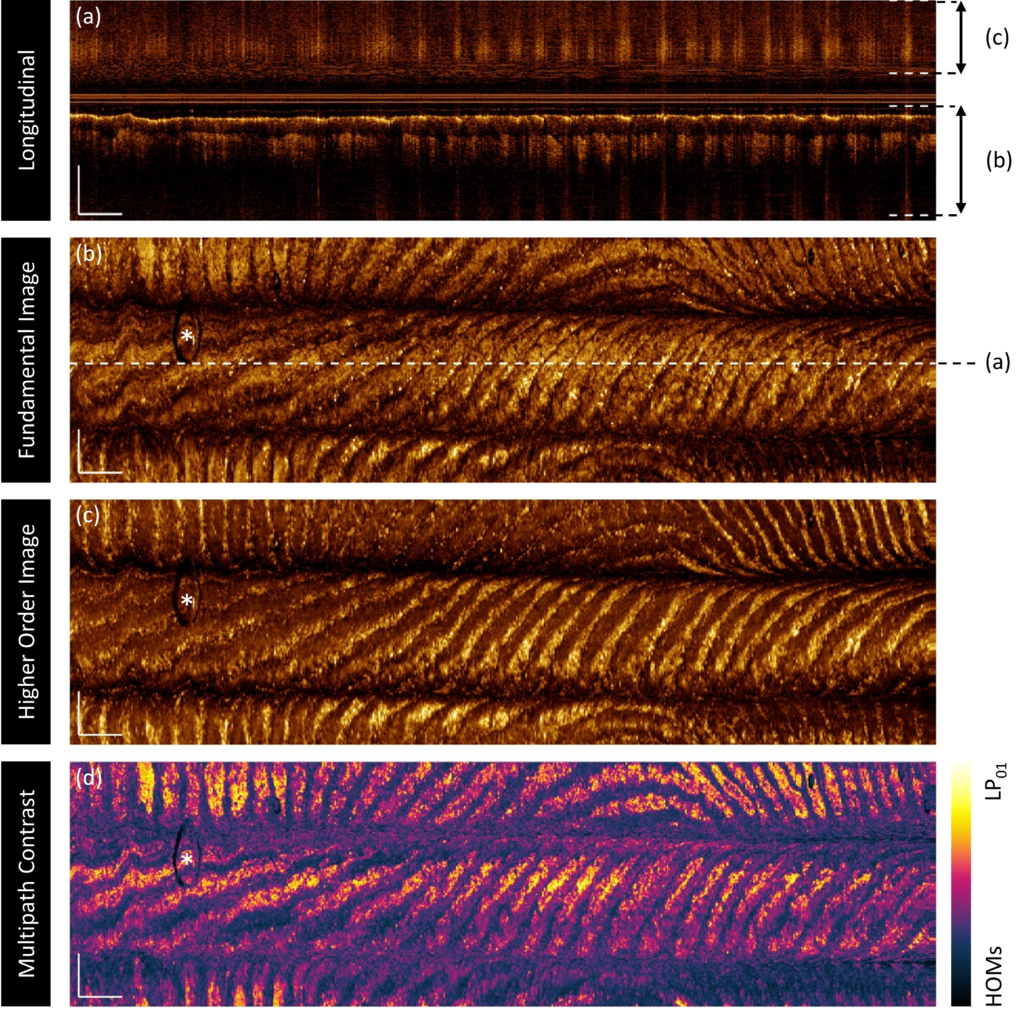
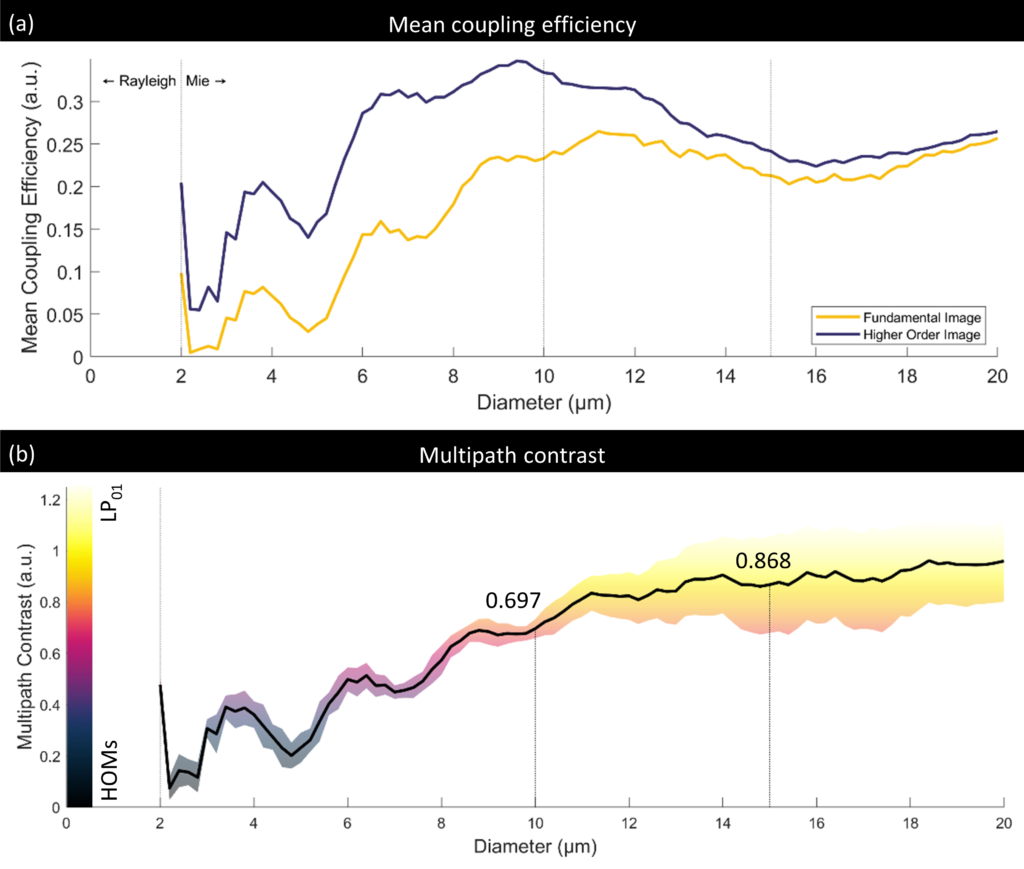
This work quantifies and suggests that there is utility in multipath artifacts found in double-clad fiber based OCT systems. While these artifacts appear as a smear in the A-line direction, they can be projected into a high-quality (and unique) en face image when compared to the fundamental mode image.
The angular dependence of the fundamental image and higher order image generated by the multipath artifact lays the basis for multipath contrast, a ratiometric measurement of differential coupling which provides information regarding the angular diversity of a sample. ultipath contrast images can be generated from OCT data where multipath artifacts are present, meaning that a wealth of clinical data can be retrospectively examined.

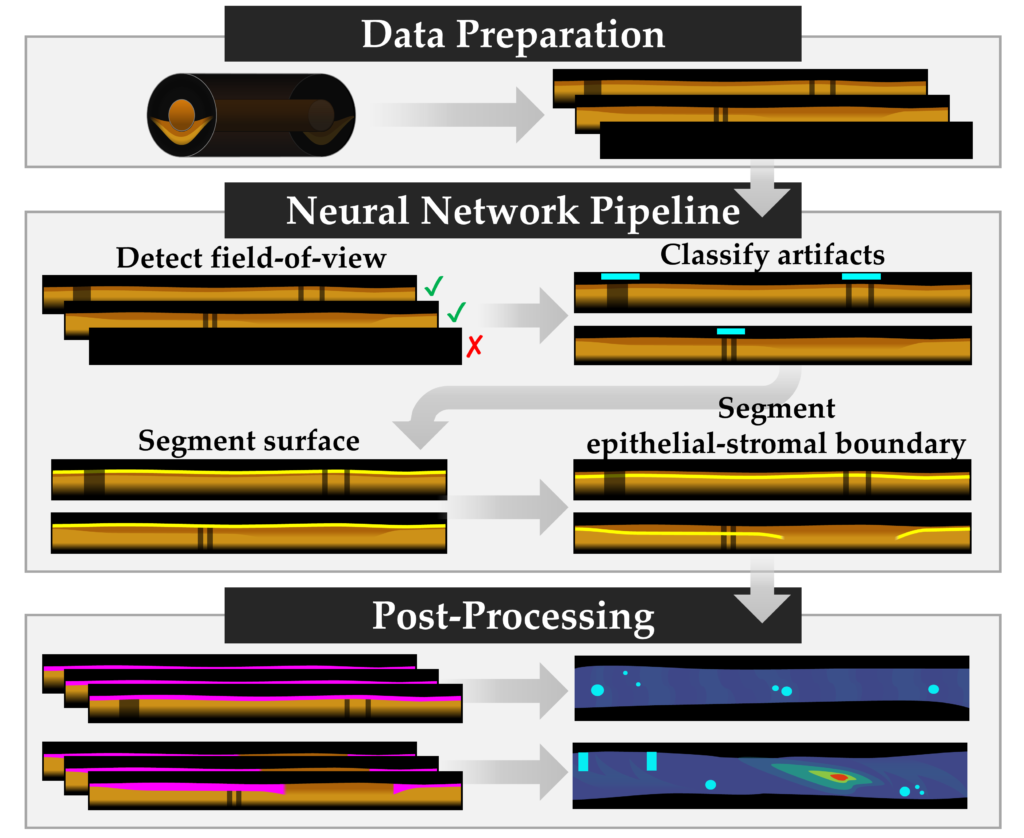
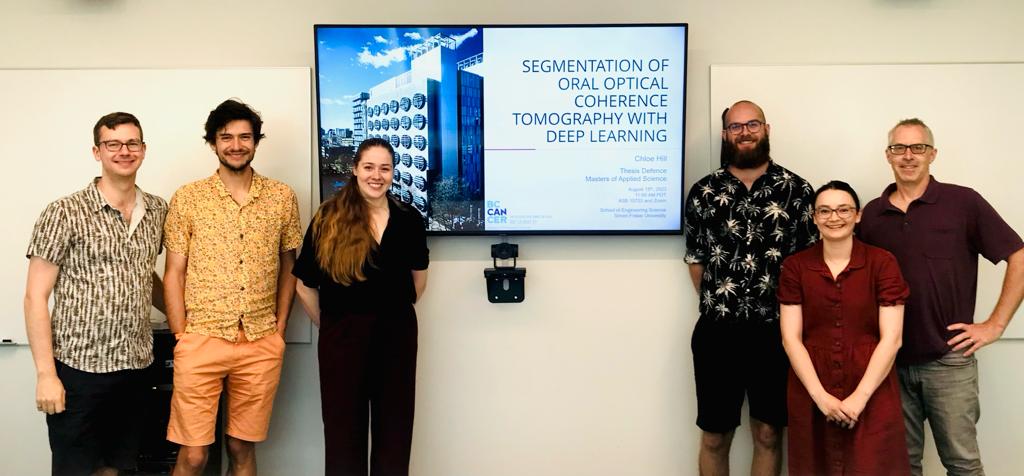
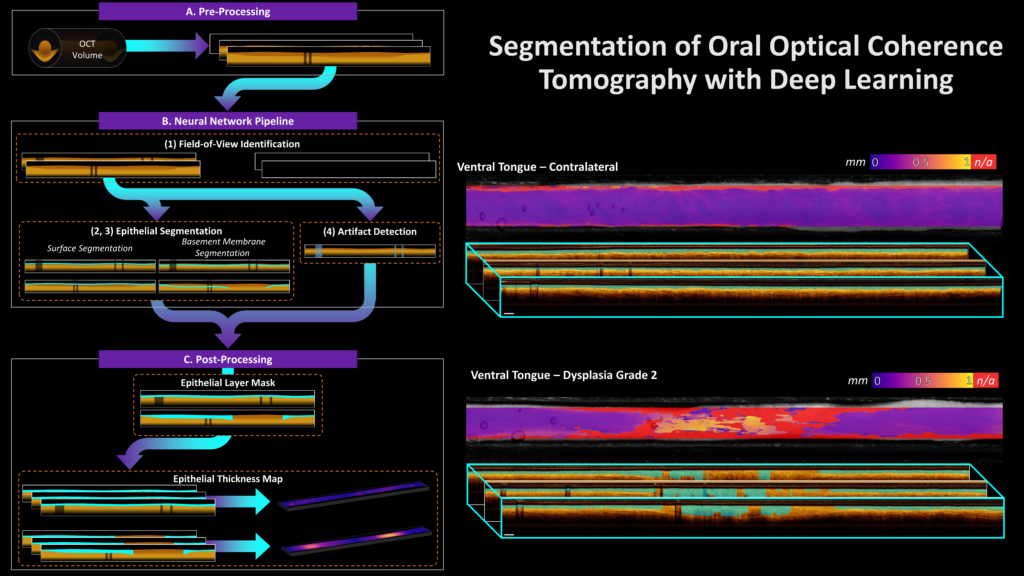
Chloe successfully defended her Master’s thesis ‘Segmentation of Oral Optical Coherence Tomography with Deep Learning‘ with no revisions, the highest level of pass at Simon Fraser University’s School of Engineering Science.
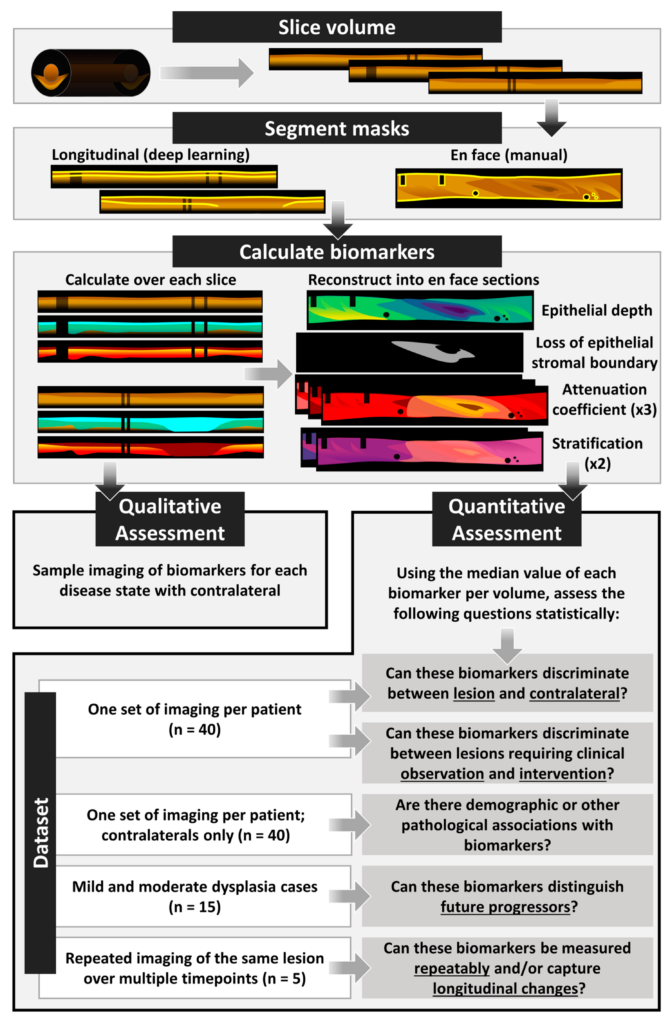
Chloe developed a four-part neural network pipeline to aid OCT interpretation by providing en face maps of epithelial depth. This allows for rapid identification of the most pathologic region in endoscopic OCT of the oral cavity, which may help identify the best site for biopsy. Chloe’s pipeline demonstrates as-good-as or better agreement than manual assessment between two raters, suggesting strong performance. Further work includes validating this tool on data acquired with a different OCT system to test generalizability.


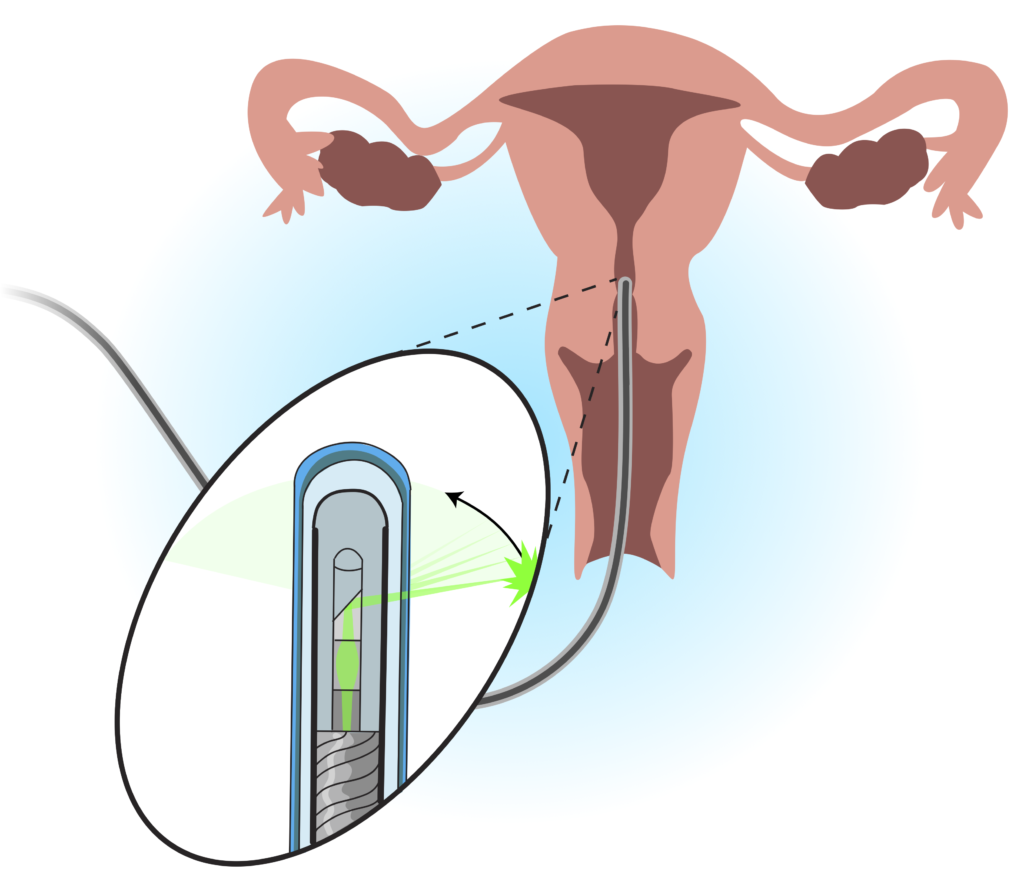
Screening is one of the most powerful tools we have to improve patient outcomes — earlier diagnoses allow for earlier interventions. Our group is conducting an imaging study examining the endocervical canal, which is hard to assess in traditional colposcopy.
In the most recent addition to the GCI Knowledge Translation Blog, OCIL PhD candidate Jeanie Malone discusses the imaging device used to look for early cancers, precancers, and other areas of concern.
You can read more about this study here.

Dr. Lane & OCIL trainees presented work at the Optica Biophotonics Congress: Optics in the Life Sciences 2023 here in Vancouver! You can read more about their presentations here:

OCIL trainees presented work at SPIE Photonics West 2023 in San Francisco, California. You can read more about their presentations here:

The Optical Cancer Imaging Laboratory (OCIL) at the British Columbia Cancer Research Institute (BCCRI) is seeking enthusiastic students for research and development of nondestructive, high-resolution optical instruments for early cancer detection and management. The OCIL offers a unique experience for students in a multidisciplinary clinical and research environment.
We are hiring a summer student for summer 2023 (May-Aug) to help us develop deep learning image segmentation programs and phantoms to test our endoscopes.
Interested in working with us? Learn about the position, and how to apply.
We are seeking qualified individuals to pursue mutually beneficial projects related to the current research program in the OCIL at the BC Cancer Research Institute. Fellowships can start early 2023.


There are several research projects of interest, including but not limited to, development of OCT systems for endoscopic imaging in the 800nm band, time-resolved fluorescence imaging, and multimodal endoscopic imaging. The successful candidate will join an interdisciplinary research group including engineers, imaging scientists, and clinicians.
See the OCIL Recruitment Page for details.
Interested candidates should forward a cover letter that expresses their research interests, curriculum vitae, and two references to Rebecca White (rebecca.white@bccrc.ca) with “OCT PDF 2023” in the subject line.